
On a String with Isabel Hagen
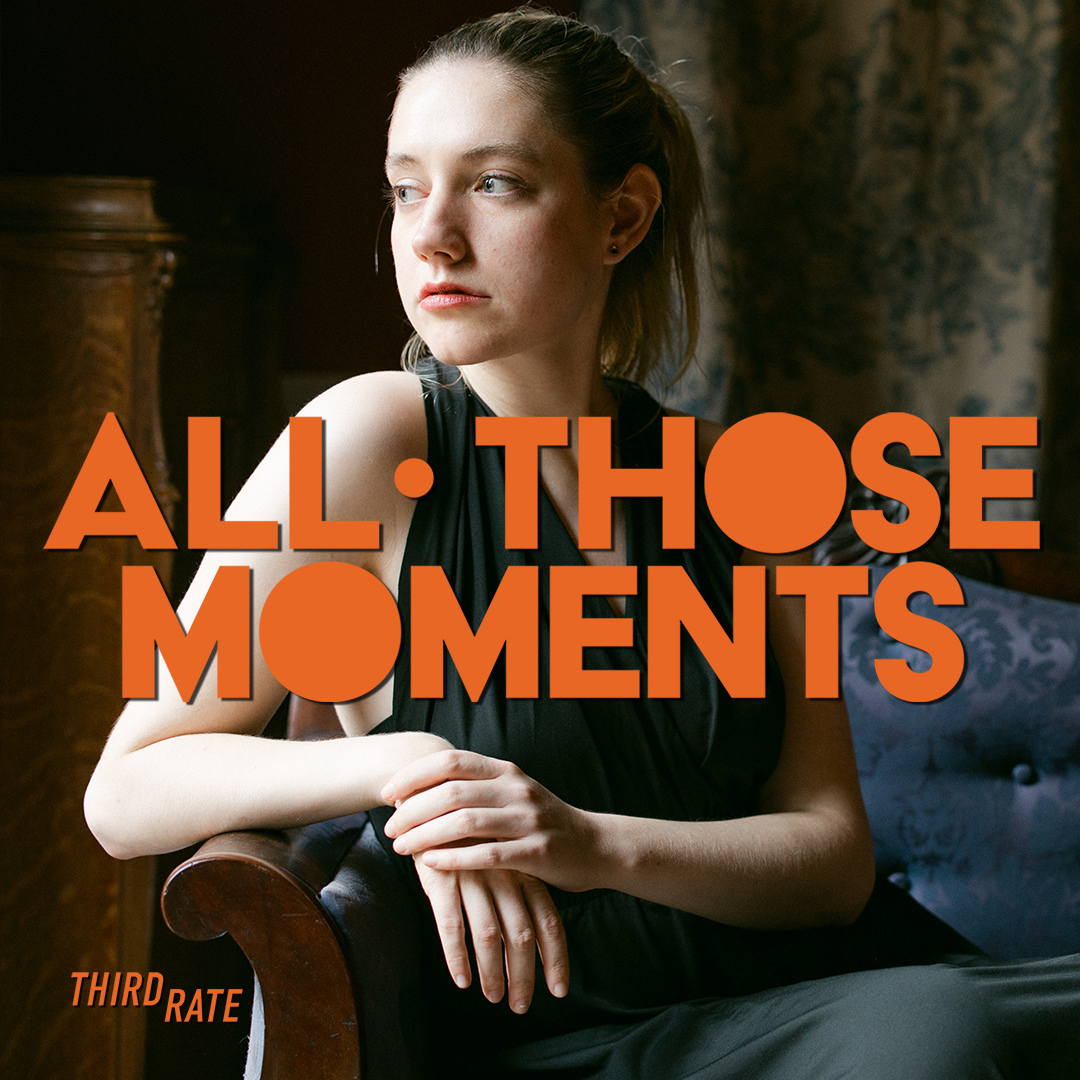
2026: The Year of Isabel Hagen
Isabel Hagen joins Benji for an in-depth conversation about her career as a performing artist and her debut movie, On A String.
From Juilliard-trained violist to standup comedian and now filmmaker, Hagen will complete the year 2026 with her first feature film as well as her first comedy special, Live At The Bitter End. Benji talks with Isabel about growing up in a musical family in Lower Manhattan, attending Juilliard, discovering stand-up comedy, and turning her experiences as a working violist into the narrative spine of On A String.
They also get into the influence of films like Happiness, Frances Ha, and Inside Llewyn Davis. Other topics include the realities of the gig economy, the film’s depiction of women enduring insecure men, and the balance between comedy and classical music that runs throughout Isabel’s work.
Later, they dig into some of the film’s best moments, including Dylan Baker’s connection to Happiness, Jamie Lee and the infamous sheet scene, Fred Weller’s guitar performance, the quartet’s climactic escape, Beethoven’s Seventh Symphony, and the real-life encounter that inspired the film’s final scene.
Spoiler warning: The second half of the conversation discusses specific scenes and the ending of On a String.
-
Isabel Hagen — On a String: Full Episode Transcript
Edited episode transcript. Lightly formatted for readability; automatically transcribed dialogue may contain errors.
00:02
Isabel Hagen is the writer, director, producer, and star of On a String, a movie that's gonna open at my local movie theater, The Magic Lantern, tomorrow, September 18th. Isabel, I am so, so stoked to be chatting with you. I saw the trailer for your movie. I started counting things off. Jamie Lee, Dylan Baker, Eric Bogosian. While watching your trailer, I started thinking about Todd Solondz. I started thinking about Pete Holmes and Crashing, which is so appropriate because of Jamie Lee's involvement.
And I was like, I am completely in. That's so great. I'm glad the trailer had that effect. Shout out to our trailer editor. And no, yeah, we were so lucky to have all those people in the film. I was so honored that they all signed on to do it. So I watched your movie, which premiered last week on September eleventh. I watched your comedy special at the bitter end, which was released on April twentieth for free on YouTube. And then the third piece for me was your conversation with Stavi on Stavi's world.
So sh shout out Stavros, who's also having a big year. Have to shout out Stavi because I got a lot of he's like I that was like the research for a lot of my background on you. So I really appreciated listening to that. What was that fun doing that podcast? yeah. I mean, he's so funny. I was just laughing so much during that. And I don't you know, it was he really knows how to just get it going. And he's he's the greatest. Yeah. I also want to share with you that I sent your producer, Brandon Temburi. Shout out, Brandon.
A text after watching your movie. And then he shared some movies from the premiere at the quad. And I just wanted to ask you, how was that experience for you? It was really fun. It wasn't quite as nerve-wracking as it might have been if we hadn't premiered tech like at a a year before at Tribeca. Like I remember when we were actually doing the world premiere, like really no one's seen this yet. I like I was sick to my stomach. they didn't save a seat for me in the back. So I was in like the third row at my own.
movie premiere just like losing my mind. so this one was so much better because it felt a little like less stressful. And I was just so happy that it's finally like out in the world. And so it was just really fun and celebratory. And I think it went over well. And yeah. It's a piece of this whole process that I always have to remind myself there's
02:24
The actual premiere, which is often at a film festival, and then it can take a super long time to have like an actual theatrical release. And those the distance between those dates can sometimes be two years. Yeah, it was over a year. So wow. Okay. When did you produce the movie? October and November of twenty twenty three. And then we took took our time with Post and then Tribeca, you know, we knew we got in by January, but then it doesn't happen till June. So we're also just sort of sitting on it till then. I felt like I had my own mini premiere.
Here in Spokane, Washington. And it was so much fun. I just want to share with you, because I can't help it. I'm going to gush a little bit. My wife and my two daughters, who are 15 and 12, watched this movie with me on the same night that you were having the theatrical premiere in the quad in Lower Manhattan. Yeah. And my daughters were totally rooting for you. Then they were quite mad at you. And then they were rooting for you again. And I just want to get this out of the way right now.
Very early on, and I don't know if you've ever heard this, but they were like, this is giving Maya and Anna from PEN15 vibes. Have you heard any? Has anybody said that to you? Not yet, but I love that show. So happy to have that comparison. They made it, so I have to give them credit. It was such a special night for me. I just want to start by saying I know how hard it is to make independent films. So thank you for making this movie. I don't think people probably hear that type of response sometimes, but I just want to say it.
Thank you for watching it. And that's so cool that your daughter's watching. I love that they had a roller coaster of rooting for me and then not. And then stuff that's that's really cool. That's sort of the highest compliment for me. Well, your movie kind of has that going for it. It is like a roller coaster ride. And it was so fucking fun. I loved your movie. Two of my favorite movies of 2026 are about musicians in New York, one being Daniel Roher's Tuner. Did you see Tuner? Not yet. I just heard about it. Okay. Well
It was actually filmed in Toronto, masquerading is New York. So I just want to say this. Don't tell Daniel Roher I said this, but I liked your movie more. Speaking of Manhattan, let's go back to where it all began for you. You grew up in Manhattan, musical family, mom and dad, John and Judy, brother Oliver. In the movies, you just kind of barely changed their names to Jack, Julian, Owen.
04:48
Mm-hmm. You went to Juilliard to play the viola. Did you just like practically walk to school? Did you grow up in these same neighborhoods? No, I grew up in lower Manhattan. So I had to take the train. I also lived up at Juilliard for a couple years in the dorms. So just because I didn't want to live with my parents. But then I was like, live with my parents again. Okay. I can't wait to get into the self-reflexive aspects of your movie. So when you were at Juilliard, you got into watching stand-up.
started and then started doing open mic while you were at Juilliard? In my master's at Juilliard, I had to take two months off due to a repetitive stress injury in my wrist. And that's when I decided to go try an open mic. And I did. And I loved it, but I was kind of, you know, not ready to dive in. I think I did one more while I was still in school. But my injury was getting better. I was playing again. I was focused on graduating.
And then as soon as I graduated, like that summer twenty fifteen, you know, I was getting gigs. But when you just when you're just gigging, you kind of have a lot and I you know, I wasn't I was living at my parents. I was single, you know, so I was just doing open mics and bopping around. And that's when I really got into it and started going and doing comedy like every single day and learning that that's the life of a developing stand up comedian. So you've been doing stand up for over ten years at this point. Mm-hmm. Are you doing sets currently?
Mm-hmm. Yeah, I did one last night. You know, I I've been doing a f a few less this month just because of all the premiere Q&A stuff. But but generally I'm I'm the goal is to be out every night doing it. I really am a stand up and I love it so much. I'm only going to bring up one moment from your interview with Stavi because I can't help myself. Okay. He he says to you, in making a joke, like your experience being a Juilliard, what are the two art forms that aren't
Really respected in society anymore. And you were like, yeah, I just love humiliation. So and I'm like thinking to myself at the same time, did you just pick your third art form that's not really respected in society anymore with independent filmmaking? well, now we might be seeing a trend that maybe it's just art that's not respected in society. Because you keep adding them and you know. but yeah, I I generally like to go after.
07:12
Hard things, it seems, but seriously, there's a line in your your special where you say, It took the one career more miserable than music to make me happy about playing music. And now that you've done independent film, I'm wondering if you can update your misery rankings. You've got stand-up, you've got playing the viola, and you've got independent filmmaking. Yeah, stand-up is a breeze. I mean, you have to be okay with like micro humiliations all the time with stand-up, but
I've I've been saying this a lot. I I was in a meeting maybe almost a year ago now with an executive you know is about filmmaking and maybe a future project together. And then I was like, and you know, but I do stand up. And she said, like the only stable path in in the arts right now. And she was serious. Like, because stand-up has become something that, you know, AI can't really threaten it as of now. People are it's really having a moment, people are going out and seeing it. Like
Whereas like it's hard to get people to go see movies. So so stand up comedy really is kind of in this moment. Ephemeral things are like all that you can really do. I mean, I guess playing music, playing live music would be definitely on the the short list of things that AI is not gonna fuck with. Yeah, and in jer in general, like live performance is is feeling safer right now. Although, you know, things are always changing.
08:37
At the end of your special, you take your viola and you turn it horizontally and start plucking at it. I wish it didn't take so long for me to come. Whoa. I wish that I could finish before you had to run. Whoa. I'm a dum-dum with music, so just tell talk to me like I'm three. There's a lot of
music in the classical repertoire where you're plucking the instrument and you're you're just plucking it up here, you know. There's pizzicato in in symphonies and that's that's a technique that we do on our instruments. I flipped it around this way because it's harder to sing with it under your neck. And also some of my very early stand up I actually had a ukulele on stage with me and did a couple songs. So I thought, well I'm not I'm not gonna switch from the viola to a ukulele. Let me just make my viola a ukulele.
So I don't know, you know. So yeah, I'm playing it like a ukulele. It's still a viola, but it's such a hell of a way to go out. my God. The end of your special is so great. talk to me about the little cloth. Is that is that normal? Does everybody wear the little cloth under the to protect your chin? Like not everyone. I my skin's very sensitive. So the the metal piece that holds the chin rest on, I get a bad reaction. So there's all certain ways to protect yourself. I find just having a
A cloth that I can switch out all the time and keep really clean is is the best way for me to not have like a a pussing angry monster on my neck. To have a hickey on your neck when you're playing. Yeah, I know. We used to call it a hickey. I actually had a teacher when I was in 10th grade, like I used to I used to not use the cloth, so I had a hic a red mark here and here, which is like this is the spot for everyone gets hickeys here. So in the middle of class, my teacher was like, Isabel, do you have
Do you a hickey? And I was so not popular in school, but it this was really sweet. Like all the cool kids who like knew I played music, they were all like, it's from her viola. Like she and it was also like you were like, you were like, shut up, it's a hickey. Yeah, I was like, I'm cool. Right. She they're like, No, no, no, she's a loser. Don't worry. Like God, that's amazing.
10:52
You are so incredibly good at everything you're doing. I d it it's it's like intimidating and also a little bit annoying people who can do all these different things so well. Even your singing, you did like a little somewhere over the rainbow thing on an Instagram story the other day. I was like, what the fuck? Like your voice is amazing and you do your you use your voice in your special as well. thanks. Yeah, I can't do sports. That's my thing. Yeah. Given where you are right now with stand up and with your movie, when you see
This Max Richter tiny desk NPR thing from 2021. It I'm just I'm so sorry to admit this, but I saw you and I started to laugh a little bit about the fact that it's I know it's so terrible to say that, but you're playing On the Nature of Daylight, one of these fucking just horribly melancholic tunes.
12:00
That's Isabel. And I just watched your special. And I'm just like, I just started to giggle a little bit. Is that terrible to it confess to? No, I think the juxtaposition of of the things I do, like I get a kick out of it. It's kind of what keeps me like marveling at life. so I yeah, I I do like really filthy comedy and then I I like I can play some of the most beautiful music in the world. And it was a dream for me, you know? And
But it's funny, like sometimes in the comments, like I th I don't know, years ago when the thing f first dropped, people s some people knew I did comedy and I was really into roast comedy back then. So people knew me from these like really mean, crude roast battles. And there were some comments like, you know, Isabel looks like she gives a sloppy BJ, like under the Max Richter video. I'm just like, my gosh. Jesus Christ. Because they're referencing your your spa your stand-up.
Sure. I don't know. I didn't say that. Or or you know, just thinking that that's fun. I have no idea. But that is really funny. It's so fun having all these different intersections of things. Yeah. Yeah. Yeah. well, I love Max Richter. I have a con another confession that's kind of embarrassing. When I was in film school once upon a time, a friend of mine from back in the day, it's too long of a story, but he knew Max Richter, gave me his email address. This is in like two thousand six. It's before
Or right around the time that his music was in the movie, the Will Ferrell movie, Stranger Than Fiction, I was so idiotic enough to think, would you be okay putting letting me use your music in my student film? And he was very kind. He responded, and I ended up sending him a copy of my student film on DVD to Scotland, where his studio is. And he never he never replied after that. Yeah, he probably gets a lot of DVDs in the mail.
And he's yeah, not this one. Okay, let's talk about your foray into making movies. What on earth were you watching or thinking about when you were writing the script for On a String, which is brilliant, by the way. Thank you. Well, when I was writing the script for On a String, particularly, I was really in the writing process, I was really in my own world. I wasn't imagining it it was gonna be like anything with the caveat that I made a web series a few years earlier.
14:22
That was kind of the first version of On a String, in a way. I mean, it was just also about a working violist, and each episode is a different gig she plays. And that was very much inspired by watching High Maintenance, which is a show about a weed dealer in New York, and every episode highlights like a different client of his. And I remember watching that and thinking, that's kind of what I do with Viola. You know, I go into people's lives, and each gig is like this its own little story. and then
Through the web series, I was originally trying to pitch it as a half-hour TV show. And I wrote three episodes that are half hour in length. And then beginning of COVID, I had some meetings and, you know, I had just done a showcase that kind of got me some industry attention. So I was taking all these meetings, but everything was shutting down. And it just really didn't seem like the show was gonna get no one was interested. and I thought, well, why don't I just make it into a movie? Because people make movies by themselves all like
I know, I know there's a blueprint for that. I don't really know how to make a TV show on my own. And I just really felt like I had to make it. I just had to put it out there so people I was like, just let me just see it. Just just let me make it. And then you'll get it. but by the time I was weaving in the the episodes I had written into a narrative, and I I was sort of just in this like dream state. I was listening to all this music and imagining like different scenes and different characters. And it was really just this.
exciting time. I do think like cinematically and like you mentioned Todd Solon's like happiness is one of my favorite films. There's no way that wasn't an influence. you know, Love Frances Ha, Love Inside Llewyn Davis, those sort of movies about artists not not getting what they want, but getting something better. When you were casting, when you were getting ready to go into production.
Did you have people that were involved in the film like watch any movies? Is that was that part of your process? Or do you were you just kinda like, let's just come into this cold? No, yeah. I I I I felt like as long as everyone knew what their specific job was, I would take care of the of the rest. So I just knew what to tell them to do in that moment. Because you weren't doing enough as the producer, writer, and actor and director. Like I'll I'll just do everything for everyone.
16:41
Which I think over functioning for other people is part of what I got out of the narrative on of on a string, but I'll come back to that in a second.
16:52
I'm gonna do the log line and then a little bit about cast, and then I just wanna dive into talking about your movie. This is gonna be the for anyone listening and watching this, the non-spoiler version of talking about Isabel Hagen's on a string. A Juilliard-trained violist navigates the New York City freelance musician scene, playing gigs that often draw her into the personal lives of strangers, all while living in her oddball family's NYC apartment taken from Rotten Tomatoes.
What do you think of these that a log line when you read something like that? You're like, yeah, that's that's basically it. It's I think I wrote that. So I don't know. It's such a hard movie to have a log about. Show me how the sausage is made. This is great. There's so many different versions. I mean, there was like a yeah. I don't know. But now I read reviews and sometimes they'll sum up the film and I'll be like, that's what it is. Like, that's you know, it
It was so I was so in it that it was really hard to step out and be like, what is this movie even about? You know? but that is kind of lit that is literally what it's about. It it's it's not a very compelling log line. I think the movie is much better than the log line makes it seem. But I agree. Yes, continue. Yeah. But you know, don't hire me to write your log lines. That's all I'll say. Exactly. let's talk about the cast. Ling Ling Huang plays your best friend Christina. Was she playing herself? She's so f-
Fucking great. Was she playing herself? N I mean, she was she is a violinist. but like is she your f is she your friend in real life, or is this was she a construction of or a composite of people? She is a composite of people. We did know each other in real life. We played some gigs together, but she lives in Portland and I l you know, we're we're not close. I she's great. I wish we lived closer and we would be better friends, but we're not just we're just we weren't that close when we when I cast her. I just knew her, I respected her a lot.
I knew she had just acted in a short film. And so I was like, okay, well, I know she's has experience somewhat in front of the camera. And I because I wanted to cast musicians over actors in those situations. But I needed people who could be, you know, somewhat natural in front of the camera. So she was the perfect person for that. Let's complete the quartet. So Ling Ling is a another is she a violist or is she playing violin? She's playing violin. Okay.
19:12
And then there's Ashley. yeah, Ashley is played by duh Delaney Rosenthal. And then who's the fourth? I couldn't pull his name. Jacob Yates. Jacob Yates. Okay. Jamie Lee and Fred Weller are Trisha and Carl, the parents of Rachel, a young girl you are teaching to play violin in on a string. Rachel is played by Haven Stashenko. Is that right? She's got a future. She was adorable. yeah. She's great. Fred Weller went to Juilliard.
That's that's a funny piece of information. Did you know this? Did he? we never talked about it. That's incredible. I remember that dude, because I'm old, from Basquiat. Okay. He was in the Julian Schnabel Basquiat movie a very, very long time ago. Dylan Baker plays dad. Karen Blood plays mom. Your brother Oliver plays a version of himself, but you call him Owen?
Yeah. Well, tell me about this piece, 'cause this is incredible. Yeah, I mean, obviously like the whole family unit was very inspired by my real family. but both Dylan and Karen took the characters in their own directions and were so fantastic. And also, you know, I would put bits of the brother into the mom and bits of the d you know, I kind of mixed up qualities. So they're not all carbon copies of my parents in any and and brother in any way, but I mean, you know
Owen is probably the most similar just because he's being played by my brother, Oliver. you know, for me, I saw the brother character as like the anti-Isabelle, like super devoted to music, is very clear about what his values are, takes it really seriously, whereas my character is doubting it, not sure if she loves it. And yeah, he's playing a version of himself. Like, I would say it was really, I was capturing like our sibling dynamic growing up.
And it's like a very exaggerated version of like a sliver of, you know, how he used to be when we were growing up. But he's he's pretty if you meet him in person, he's a lot more joyous and evolved than that character is for sure. How did he feel about being part of it? Did he enjoy himself? Yeah, it was really fun. Like we spent a lot of time before shooting, like because he had never really acted before, except in like a school play once.
21:37
So I coached him a lot and we had a lot of fun sort of developing it together in that way. And yeah, I think for a minute he was like reading the lines like, do you hate me? And I like, No, no, no. It's like this isn't you. It's you know, that's why I changed your name. It's why it's a little different, you know. So I kept waiting for a moment in the movie, and there was this kind of build and tension between the two siblings where I was like, I just can't wait for Isabel's gonna come home one day and she's just gonna tee off on Owen.
And at one point my youngest daughter's like, he reminds me of young Sheldon and that's why I like him. Yeah, totally. Do you watch that show? Are you familiar? I'm familiar. I haven't really watched an an episode, but I, you know, I've seen clips and things and it's definitely made for kids, but my my youngest daughter absolutely adores that show and that character. your dad played the Soprano Sacks in the music for your standup special. Yes. Is that right? Yeah, that's his track. He wrote it too.
Okay, so I just have to, how did your mom feel growing up in this family of musicians or or living with this family of musicians? I mean, she's an artist too, so I think she she understood the idea of like going off into the corner and doing your art. She's a visual artist. But I think sensory wise, you know, it was sometimes it was a lot because the three of us would all be practicing our different instruments in different rooms of the apartment. And it wasn't a huge apartment. So she like lived in a music conservatory, basically. But I think she
Loves it and it's it's fun. There was some mention made in one of the comments on something you posted on social media about you had a mute or something that you put on the viola to make it quieter and you're like, I think my neighbors still hate me. So now I just can't help but ask, like, how did people feel living in an apartment building with you and your family? Right. I think the building we were in w at the time when we were really all living there, we had very forgiving neighbors.
Or and also maybe the we got lucky with the thickness of the ceiling. Like people said they didn't hear that much. We I think we got complaints like one time. I only remember it so once. So yeah, they was just sort of an artist building and everyone was kind of up to their own stuff. And yeah, I'm now I'm in a place with much thinner walls because I hear I'll be in my office and I'll hear like someone talking at a normal volume and I'm like, good to know. That they can probably hear me too.
24:01
Like intelligible speech? No, no, not really. That's good. But but it still feels like, I they can definitely hear me. Did you see have you seen The Invite? Yes. my god. I'm not gonna get into that, but that whole like thing is amazing. That's a fantastic movie. Okay. I want to talk about your movie. So haven't we been talking? Yeah, you're right.
I'm gonna get into some specifics. If I was writing the log line, Isabel, I would say that your film does it two things that your movie does a wonderful job of exploring. Number one, I'll say the gig economy. So much, and it's amazing that you said you had this idea for a pilot that was built around this premise, because so much of the movie is about the character and ostensibly you in real life, being thrown like headlong into the gig economy. I counted
Eight different ways to make money as a Juilliard trained violist. Music in this quartet performs in a failed wedding proposal, a funeral, a gala banquet, a couple having a romantic dinner, except one dude's attached to an oxygen tank and their massive, like over the top PDA, giving music lessons to kids, contract recording.
Session for a film, Eric Bogosian, shout out. backing musician for a band. And then finally a performance for a patron of the arts, something that the quartet works on during the entire movie. Well, I I just want to ask, like, what were you working out in this movie? And are you still working that out in your life in 2026 when it comes to like the gig economy and like how to make a living as a performing artist? Yeah. I mean, now that I have stand-up and film and and sort of other
ways that I'm expressing myself. it's kind of made it easier as a violist, just in the sense that if something comes up and it pays and it's not going to take too much time, I feel like it's almost like a freebie. Like if it doesn't, if it's like during the day, I'm like, yeah, I would love to go make an extra $300 right now. And so I don't even it it doesn't feel in any way negative. It's just kind of like a fun, quirky little day job thing. But if I'm taking out
26:23
you know, my current circumstances. And if your reality reality really is like that of the characters where you're like, I have this thing that I worked so hard on. And I get to do it in its like, you know, quote, prime form, let's say like a recital or with an or a great orchestra, maybe once a year at most. Like what am I really doing? And what and why did I w do I really want to be doing this? Because isn't what you're doing like it the day to day is what you do.
You know, it's for me, I think about my life in the way of like how am I spending each day? As long as I can be okay with most days, then it's then I'm great. Just taking it a day at a time. Yeah. Yeah. But if I'm sort of doing things that I'm dreading, you know, more often than not, then like something has to change. And I was finding myself dreading a lot of these gigs. Well, Isabel, as depicted in the movie, doesn't have stand up, doesn't have independent filmmaking, certainly. So
I have to ask, like, how many of these these kind of anecdotal experiences that Isabel's having as a member of this quartet, how many of those were based on actual experiences? I mean, they're all somewhat drawn from actual experiences, and that maybe not what happens, but that type of gig, you know, like played funerals, played weddings. I've played I played a private d a dinner for a couple where the musicians outnumbered them and there was a big
Age gap in the couple and it was a little weird. And you maybe that's Was there an oxy Was there an oxygen tank involved? No, there was no oxygen tank. There was a hot tub. So okay. Yeah, things and you know, I've played parties where I felt like I literally needed to escape. I've so I basically took each situation and then made my own little story within that situation. Yeah. Yeah, yeah. Or or completely
You know, running wild with it just because I can. And that's the beauty of when it's narrative, you know? The second thing I think your movie does such a great job of exploring thematically is the endurance required of Isabel, and I would say more or less women writ large, to prop up insecure men very often at the expense of their own pursuits and desires. And it starts with Isabel goes from propping up the insecure dude that she's breaking up with.
28:45
That guy's very funny. Jack, is that his name? Jack Zittle, yeah. Yes. To propping up the insecure dude that she's trying to hook up with, aka Dave, the Miso soup slurper, as my daughters like to refer to him. To then propping up the insecure dad, Carl, Fred Weller, of a kid that she's teaching to play the violin. And I guess finally, if you want to include Christina, to watching her friend prop up some insecure rich asshole.
Who's probably gonna withhold supporting art supporting the arts without a little bit of icky quid pro quo or something? So I just wanna ask a kind of similar question to the one I asked about the representation of the gig economy in your movie. There's something Isabel, the character and Isabel the viola's comedian filmmaker potentially is working out when it comes to the dating scene in relationship. So I just wanna kinda ask you about that. I'm interested in writing what I know.
For now, that's that's where I feel like I can get the most truth out of and also feel the most empathy for other characters. If if I'm starting from a place of knowing me and what I'm going through, then I can, you know, put that on other people and think about well, what are they going through? and I just I always try to have an amount of empathy in what I'm doing. But with that, if I'm writing what I know, I'm writing about my experiences as a y a young woman in this world, and you know, I don't have to say it. Any
We know what's we know what happens. We know what it's like. And sort of learning to spot it more and and protect yourself or put up more boundaries as as you grow can be really helpful. So but also it can lead to a lot of funny moments to point this out and the interesting dynamics that come in between the cracks of all of navigating all of that.
Like the dating scene of the two thousand tens are well represented potentially in this in this movie, or certainly from your experiences. And I I also kind of wanted to ask, like, how many of these depictions came from real life experiences? And like, did you protect the anonymity of some people involved? Or is some people gonna watch this movie and be like, fuck, she got my ass? No, no, I don't think so. I don't think anyone's gonna be like really called out. Yeah. The music interludes.
31:03
Are really, really beautiful. And they give, I feel like, a lot of gravity to a lot of the comic moments of which are many in your movie. So I wanted to ask you about the kind of was it intended? Like were you would did you sense that there would be kind of a tension and release between the all these moments of you could have one of the funniest moments of your movie, then it's followed immediately by the quartet performing. tension and release, I think, is sort of the core of like
It's at the core of everything I do in terms of if you think about when I play viola and then tell one-liners, that's kind of a a micro version of that where it's, you know, the music is maybe it's beautiful and you're you're thinking it's in one context and then like the dirtiest quick joke you could think of. It's sort of just breaking things. Like I I really like building things up and then breaking them. And I think the musical interludes and having most of the music in the film until the
Towards the end when the score comes in, written by Will Canzanari, shout out. it's diegetic. It's music that's actually happening in the film. And to me, that felt even more poignant because it's not only the music changing the mood, but it's music that's actually happening in these people's lives. They are experiencing it in that moment. It almost reminds me of what we were saying about seeing you now in this tiny desk performance with Max Richter work.
We're aware of your comic sort of presence and and vibe and whatever that we know about you intertextually, I guess. You talked about it in your special and I loved this moment. I thought it was so smart about measuring how a crowd responds to you when you're telling a joke versus playing music. Like music, we process instantaneously. It bypasses our frontal cortex or whatever. You know, like we don't, we we we don't even choose whether or not we like something musically. We sometimes we just
we we have an emotional respon a physical response to it. Whereas humor requires a little bit of processing, right? So there's like that that dynamic there too. Yeah. And there's not the immediate validation or opposite of validation, you know, feeling like you failed if they don't laugh with music. It's you put out there and then they clap and you hope that they actually liked it. Can we talk about a little bit about the quartet? I watched your movie twice now.
33:27
And I'm just like dying for this to become a 10 episode series on Netflix of just the quartet. I feel like this this thing just started to ramp up and then the credits roll and I'm like, I just want more of the quartet. Yeah. wow. I love that. yeah, I I would love for there to be a show about a a quartet. And I used to say this like, I remember I watched Black Swan. Remember that movie? The Darren Aronofsky with yeah. And
And it may I remember I when saw it. It was back when I was I think I was at Juilliard when I saw it. And after I watched it, I I all I wanted to do was go to the ballet because it was like it felt like sexier and like I my god, now that I've seen like someone's story in it, like I just wanna be around the ballet more. And during that time there was so much talk, like by our maybe by teachers and and mentors about how classical music is quote dying and you know, there's just less and less interest in it. And I always thought,
Well, why don't we have like a show about a quartet and they're all like hooking up with each other and it's like kinda hot and like that'll make people like want to go see string quartets and go to the orchestra and you know 100%. I mean, I feel like the math of quartets, like you have the two different kind of dyads, if you will, in your movie, certainly, you and Christina character and then Ashley and one more time. Max. Max Max is the character yet. Yeah, it's like something that happens in your movie so many times is
The relationship between you and your best friend in the movie Christina and all the different micro expressions that happen. There's like full-on dialogue happening nonverbally between the two of you. Sometimes it's really funny. You're giving each other these looks of like, yeah, this sucks, or I can't wait to get the hell out of here, or what are you doing when we're done here? Like you could feel like this is actually happening without words.
And then there's times where they're both competing for the Phil audition or whatever, and it's just super tense between them. I just think there's so much you could do. I'm pitching accidentally here your the quartet idea to somebody out there to pick it up and and produce a ten episode series because I think it would be amazing. Yeah, thanks. I would I do too.
35:41
I'd love to do just a couple of moments from your movie, but this will be like some mild spoilers for anybody out there who hasn't seen Isabel's movie. Please do so now. Okay. We have to talk about Todd Solon's movie Happiness. Because you mentioned it's one of your favorite films. It is absolutely one of mine. I remember saying to people like, It's American beauty if you're not a coward. Like it's you know, you know what I mean? It's like so dark, so fucking funny. And
Your movie opens with what I could only describe. It feels to me anyways, like an homage to the opening with what is it, Jon Lovitz and Jane Adams. So I I I can't help but ask, I d were you winking the entire time with your movie by casting Dylan Baker? Come on. I mean, he was a super last minute casting, actually. So so yes, but but not till
We like a few days before he was due on set, we were like, We got him, you know, 'cause we I think I didn't even consider him as an option. I like, he's too he he wouldn't do this and
36:51
Billy, what's going on? Nothing. He's depressed. I had a few other people, maybe on his level, or maybe a little less famous, who I had more direct connections to, so I was pursuing them first. And they couldn't do it. And then my producer just said, like, let's just let's just try to call him. And we we found a connection to him and and he was free. And it was just, you know, serendipitous. And he he it was so wonderful. But but yeah, so it wasn't like the whole
Process. But once once he was there, I was like, this is great. Like it's it's impossible. If you've seen happiness, it's impossible to watch this movie and not just think about that little there's a conversation between the two movies like happening the whole time. And I I was completely all in on it though. When I was in film school, me and my best friend who I went to film school with, we did an ADR project with the movie Happiness.
my god. And I fucking was so convinced they're gonna throw our asses out of film school. And this is in Montana, but I was like, there's no way we survive this. And it was a scene where Philip Seymour Hoffman is calling Jane Adams on the phone. I know you know the scene. And I was doing Philip Seymour Hoffman and my friend was doing Jane Adams. And I people were like, this isn't fucking ADR. There's no way this is a real movie. Like this is so totally fucking repulsive.
my god. First of all, you guys are assholes. If this e even is a movie, because it was, I mean, I went this is like 2003, probably 2004. I also want to talk about the sheet scene with Rachel and her parents, Carl and Trisha. So Trisha's catching on, Carl's hot for teacher, aka Rachel's violin teacher. They're eating dinner after a music lesson, and Trisha proposes that Isabel do a dry run of her audition. And
It's Trisha's insistence and how Jamie Lee commits so much energy energy to the idea of hanging the sheet. Fucking killed me. She really wants in on the Isabel thing. And it's almost like a kink that she wants to evaluate like Carl's crush on the violin teacher. It's the moment you start playing and you cut back to Jamie's face, and she's just like, God. She's really, really good.
39:15
Carl's eyes are closed. He's do dudes in like ecstasy and Trisha can only imagine what's going through his sick mind. Was the sheet falling? Was that scripted or did that happen on accident? No, it was scripted. Yeah. We had we rigged it up so that we could someone could like pull it lightly and have it fall at the right moment. and yeah, it it that ends up being, I feel like because I've seen it in a theater a lot with people now, it gets some of the most laughs in the movie, that scene. When I wrote it.
And I'll I don't usually like to say like my exact intentions, but but it is in the script, so I'll just say it. I I thought of it as more of a sad scene. And there's even a description in the action of one where Trisha retapes the s the sheet up, desperate to keep up the barrier. So it was also kind of this idea of like, get away from my family, you know. but that ended up just being a really I mean, the way Jamie played it was just so funny. and I just love how it how it
Turned out. I think it does still have all the underpinnings of like this is heartbreaking because the kid's there. But you I don't it's like the flip side of everything that's humorous or comic is pain, right? That's like masking pain. And what but when she says when Carl's like, honey, forget the sheet. No, I don't want to forget the sheet. The sheet makes it better. my God, the indignity of everybody involved.
Okay, I also want to talk to you about Carl playing the guitar. so things are getting weirder and weirder between Isabel and Carl, and he it finally culminates with him whipping out the guitar, an instrument he's been threatening to play for his family, but has yet to do so. My daughters in unison were like, my god, it's kinda like I want to push you around and Barbie, but this is ten times worse. Did that did that through your mind at all? That that
You know, I wrote this script and then I saw Barbie. Yeah. And I thought, well, I can still do the scene, but you know, it was a little like shit. But whatever. Did you write the music? Yeah, that song my husband and I co-wrote. And then in the end credits, he and I do like a studio version of it. for like the role. If you go listen to that, that's that's an original song by me and Will.
41:37
And we're so funny, dude. I mean, it ends with him saying, like, I feel alive. and then I was like, I took a note for myself, Fred Weller, Juilliard trained guitarist. Like, yeah, right. No, he was so good. I mean, he nailed it. He he like, by the way, we did like two, three takes of that just because we could, but he every take he was nailing it. So I will confess to you that up until that point, I didn't totally know.
where the movie sat and maybe you intended this. I was like, I felt like the moment Carl showed up in the movie, I was like, God, this guy. But it wasn't until he starts singing his little song and playing this music for Isabel that I was like, the movie is fully aware. This dude is beyond cringe. I didn't I just didn't know where the movie sat. Did you intend that or was it were you hoping to just ramp it up? No, absolutely intended it. I think back to sort of your
Your question about, you know, women propping men up and experiences of being a young woman. something that's very true to my experience is the ambiguity of certain men where it's like, is what's going on here? Like I can't there's like plausible deniability, but I don't so I I did want to play with that sort of uncertainty, of course, until it's not uncertain, but
But I wanted to build that for a while and have people be like, I guess it's okay, you know? Because to me, that's something that I and a lot of my female friends deal with, you know, just that not really knowing how to respond because we're not really sure what their intentions are. And there's too much plausible deniability to like say anything. Yeah. So well, especially when you have Isabel's initial response being like, There's this dude who's older than me, but he's hot and he's
I think he's flirting with me. And then it turns out he's not flirting with her. He's just trying to find somebody to to teach his kid violin. Right. But like, why her? And you know, it's so it's like it's just like up and down and yeah. Yeah. And it does, it does feel like it has a trajectory that starts with being somewhat innocuous. And then over time you're like, no, this dude's a full-on cornball. And he's awful too. So next thing I want to chat about. Sorry, I'm jumping all over the place. Is it okay that I'm just gushing about your movie?
43:59
Please, I need it. So we get to the point of the movie. Everything is totally falling apart for Isabel. She's fighting with Christina. They have the audition thing. sidebar about the audition thing. When they go into that room, my daughter's started to notice that every room, every interior location in your movie is super cramped and like tight spaces. And my wife and I just look at our kids who are getting ready to go to New York City for the first time and they're so fired up to go to New York City.
And we're like, you guys realize New York City, there's there's no space. Yeah, there's no space for anyone. so anyway, she's fighting with Christina. She's in a casual, but I would say quite unenthusiastic relationship with Dave, the Miso slurper. their quartet is falling apart. She has the RSI that's getting much worse by the day.
Tresher realizes that something's happened between Carl and Isabel. And it's time for the big performance for the patron of the arts, which is at this enormous rural manor thing. And there's there's two movies that I want to bring up that I thought about, and I just want to take your temperature on them. The ending of Sean Baker's Florida Project and Thomas Vinterberg's Festen. Have you seen both of those movies? Seen Florida Project, not the second one.
Festen aka celebration. No, I haven't. I I have to now. That's a little less direct, but it takes place in this kind of rural manner where this sort of patriarch of this family, it's revealed to the family that some very dark past is made public by one of the kids in this family. But The Florida Project at the end with Mooney and Jancy running off together. So I'm gonna I'm gonna set it up a little bit. Christina and Isabel have all this tension.
There's this old gross, rapacious patron character. And the movie has so much momentum during the third act. In the midway point of your movie, somewhere in the second act, if you will, I was like, I don't know where this is going, but I felt a little unsettled. I wasn't sure. And I wasn't sure if the movie was sure. But I just have to tell you, the last 20, 25 minutes of your movie, I was so
46:18
invested in what was happening in these relationships. And I really felt like I wanted to get to know the quartet. So when Ashley decides, makes the announcement that they want to leave and the and Max is like, this is just getting too toxic. Everyone in my living room in unison were like fair.
I love that. I love hearing your family's reaction to everything. It's so it's so great. And my kids are such tough critics. I just have to tell you, you should feel flattered because they don't watch movies with us. They just don't. And they were like, I th and I think it was just so cool that this is like an independent film made by a woman, starring a woman, directed by a woman, and it's about women and their relationship. And I think that this relationship needed some repair. And so when this old dickhead grabs his fucking
guitar and starts playing Ave Maria. And you go in and then the camera's really quiet in your movie. Shout out your your DP Zach. Is that his name? Yeah, Zach Nicholson. Yeah. The camera starts moving, it's handheld, and it's just like it reminded me of Mooney and Jancy escaping at the end of Florida Project together. It was like a rescue scene and it was very chivalrous. But it was it was Isabel rescuing Christine. That's when my kids were back in. They were like, okay. Okay, we fuck, we fuck with Isabel. Isabel's great.
So talk to me about this scene in your movie. Don't let me talk anymore about it. Yeah. I mean, I wanted the movie to have a climax. And I I thought, you know, what better way to maybe repair the relationship than well, okay. I guess what I was really thinking about was, you know, the whole movie, Isabel's kind of pulling away from Christina. Christina's kind of like with the audition and with whatever man man she's kind of letting herself get involved with. And then I thought.
By having her, Christina, also have this thing go on, it's a reminder like, Christina's been dealing with this too. Like, we haven't been seeing Christina's POV through the movie mostly because it's Isabel's POV. But she's also dealing with the stress of now we find out she's also wanting to take an orchestra audition, maybe ashamed to say it. and also been having this kind of like relationship with this guy that we sort of hear about a little and then at the end we see it.
48:37
And and because we know what happened with the guitar with Isabel, we we know exactly what's going on. or at least I would hope we do. So I wanted to sort of show the mirror or parallel in that moment and then thought a a sweeping escape scene which was just sort of something that I dreamed of as a filmmaker. So it was a very low budget sweeping escape scene, but you know, it was sweeping.
All it takes is one handheld shot running between two people running like that. And it's like I was I was I thought it was fully convincing. I love the through line between the two guitars. So freaking funny. Yeah. And I also feel like it was your way of writing in some calling Isabel on her bullshit, right? It's like this is why my kids were out on Isabel by the middle of the movie. Because she wasn't seeing the full humanity of her friend Christina.
Or when they have that great scene that kind of sets up this the breakdown in their relationship in her apartment when she's getting ready to make a meal for her parents. And it's like you live with your fucking parents. I don't. I have to pay rent, you know? where it's it felt like something was being worked out there too. Yeah, I I wanted the movie, I did not want to have it the Isabel, the character, seem like a hero or, you know, ultimately I want her to be a good person, which I think she is. She figures it out, but she's certainly not like
you know, killing it and just the vi and she's not even I didn't want her to be seen as like the victim throughout it all. She's kind of the victim of her own bullshit, you know? Yeah. I can't not talk about this representation of patronage and the patrons of the arts. And before I talk my shit, I just want to ask you like what what were you thinking about in terms of what you've experienced with these kinds of patrons out there that support the arts, but then there's a lot
That comes with it, a lot of baggage. Yeah. I mean, there's certainly some wonderful patrons of the arts who come with seemingly zero baggage baggage. You know, it's every there's there's shitty people in every group of people, you know. but with that said, yeah, there can be this dynamic when you feel like you have to act a certain way because these people are the ones allowing you to eat, you know.
50:51
You know, metaphorically or literally, sometimes, and the stuff that you're willing to put up with because of that, and how far are you willing to go? And again, just another situation where you work so hard at this art form, and then it's being consumed in this very specific environment. And you're like, Well, I wanna play for the peep, I wanna play for everyone, you know, like I so.
It's being consumed and also controlled through investment by a certain p the patron class, if you will. It's it's come up on my podcast before. So first time filmmaker Carson Lund in his movie Ephus, he talked about how a lot of his pitch was to the quite frankly, like the vanity of patrons to be like, Hey, if you support my film, there's a possibility. And this ended up happening with his movie Ephus, where
these investors get to get photos taken of them on the red carpet in con, you know? so but this I think your movie is a wonderful reminder. Like the stakes are different for women. I mean right? Like Yeah, I mean and I mean we there's a moment where Max the cellist is also like, I gotta get out of here. This guy's offered to write me into, you know. that's a good shout. Yeah. It can happen to everyone. I think it is it also is kind of a
the youth and the talent is is sort of what is alluring in a lot of these situations, but certainly it's more balanced heavier towards it's being I think it's a little tougher to navigate as a woman in a lot of these situations for sure. I don't know. I'm always scared to to claim anything is harder from I'm like, but I don't know. Maybe it's really hard for someone else to I I don't know. Like No, I yeah. It's hard to be a person. In general the the
The representation of the people in that manner are kind of vampiric, let's just say, regardless of their target of their their tendencies.
52:54
Shout out Beethoven's seventh symphony. Isabel returns home and her family is sitting around listening to Beethoven's seventh. And I have to just ask you before I go on, like what was was there something behind that choice? It was a pretty practical decision. Sorry, hold for sound. And do you hear that helicopter? A little bit. It was a bit of a practical decision. Obviously, the slow movement of Beethoven Seven is a beautiful piece of music.
so I thought, well, that would be a believable work that someone would sit down and listen to over and over again. I also knew it was highly recognizable. So even if you weren't a musician, there's a good chance you would clock the joke, which is that it's the same piece each time. If it wasn't a recognizable piece, I think a lot of people going to see the film might not realize that, which I I just really wanted people to know that not only are they sitting around silently listening to music, they're listening to the same piece.
And don't know if you caught this. Each time it's on a smaller listening device. First it's on a record player, then it's on a boom box. And in the last scene, she turns off a little Bluetooth player. A tiny little Bluetooth puck. Yeah. Yeah. So it's like maybe they're there's sort of audiophiles, but also symbolically music is getting smaller in her life. So it was really just of of the pieces that were recognizable. I thought, well, that's a beautiful one. So let's let's do that one. You know, it could have been Beethoven five, it could have been
You know, a few other a handful of other really recognizable classical pieces. It's also a redemption moment for Owen who finally listens to the advice that's been given to him by his dad throughout the movie of just like, Hey, we've talked about this. I'm gonna teach you how to behave. Right. He puts just a gentle hand on Isabel to comfort her because he can tell she's going through some shit.
Was there something happening between you and your brother through this movie? Like, did you guys end up in a different place in your relationship with each other? maybe a little. I mean, it was just really fun working together. And, you know, there were some some moments where we had our sibling bullshit bubble up, of course. But yeah, we're always like evolving and trying to under we're it's a very mature relationship in that sense where we're like,
55:14
We'll be like, and then we'll be okay, what what just happened? How can we how can we make this better? I'm done giving you my interpretation of things from your movie, before asking you about them. So I just want to give you a chance to talk about the the final scene, the final moment with the elderly woman in Central Park. Yeah, that was probably the most direct depiction of something that actually happened to me. whereas in real life I was walking down the street and
This old woman who spoke almost no English pulled me over. And, you know, I'm in New York. I'm a New Yorker. We're like, we're helpful, but make it quick. So I was like, what do you need? Directions? What's up? Hi. And she was just like, beautiful, beautiful. And I was like, what? Like, and there was like kind of pathetic flowers behind her, but they were, they were kind of pretty if you actually took the time to notice them. We weren't even in a park, you know, the movie is a little different in that sense. And she handed me her phone and I was like, she just wanted a picture in front of these flowers.
Of herself. And I took the picture of her and she smiled like it was her wedding day. I mean, it was just she was so full of joy. And handed back her phone and I said, have a good day, and walked away. And I just started crying because I she was I was like, that's how I want to live my life. I I just want to be able to smile about flowers and be so happy in a moment. And to me, that's sort of what I've always been looking for, and and maybe what.
the character is searching for even though she doesn't know it. So it felt like a fitting ending for the film. It's a beautiful moment of self actualization and how it comes through an interaction with an older woman is is really quite beautiful. And I love how it goes out to credits. Great edit. shout out your editor. Olivia Vesel. Yeah. Let's go Olivia. what comes next for you? Distribution?
I chatted a little bit with your producer, Brandon, about this topic and he said I should ask you about it. Well, he's the distributor, actually. his company, Joe. Sorry, not distribution. I should have said like streaming, like we're gonna try to find a streaming service. yeah, we're we're working on finding the digital home for it currently. So more soon. Have you thought about making a comedy record? What do you mean? As in vinyl. As in I wanna I yeah, it feels like it'd be so cool. I would be a day one purchase for me if you put
57:39
Something like your what did you name name your special that you did at a bitter at the bitter end? It was just called Isabel Hagen at the bitter end. Okay. So which was kind of a joke 'cause it's my first special. So bitter end. Totally. It's great. But yeah, I mean I mean I could put that on vinyl in a way. I mean, we I've I've thought of releasing that as an album version, but but I know there's like an aesthetic to the vinyl and yeah.
makes too much sense. I mean, and vinyl's so popular right now. And you and I apparently have the same record player. Is that true? Wait, you really have a project? Yeah. I mean, it's all my husband. He's the one who it's like you you you asked me that and I had to go look. I I got up and looked. Yeah, that's a project. That's amazing. So for anybody who's listening or watching this, yeah, I saw an Instagram story that you posted and I looked at the turntable in the background. I was like, pff, no way.
It turns out we have the same turntable, which is super cool. Upcoming schedule. You have some sets you're gonna be doing. Doing some stand-up? Yeah, not n I that's gonna increase soon. but the only thing in the calendar for stand-up right now is Arlington, Virginia, October twenty-third and twenty-fourth. And then the next day at the Alamo Draft House in Arlington playing the movie. So I'll be there for a Q&A. So it's kind of like a DC area weekend. And then beyond that, I yeah, I'm working on developing a new
Our show, it might be a little different than what I did for the first special in terms of the structure and vibe. and then writing another script, but it's super early and I like can't talk about it. Okay. But you have something you're working on. Yeah. Well, Isabel Hagen, whatever you do next, I will be a day one viewer or listener. Thank you so much for coming on all those moments podcast to talk with me. I really, really appreciated your time and and
Best of luck with whatever comes next with your movie. Thank you so much, Benji. Thanks for having me. All those moments will be lost in time.
59:49
Yeah.
Time to die.